Digital-Control Prosthetic Arm
Low-cost upper-limb prosthesis with LCD actuation control
Investigated cheaper ways to manufacture a functional prosthetic arm while keeping the necessary movements of the human arm. Replaced EMG sensing with a compact LCD control panel, reviewed actuators and electronics, and validated kinematics in CATIA V5. Built to European product-design standards with a manufacturing cost target of £500.
The Core Challenge
Engineering Solution & Implementation
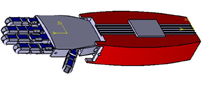
Designed the arm in CATIA V5, compared manufacturing techniques and actuators through market research, and implemented unique actuation control via a small LCD panel instead of EMG sensors. Reviewed electronics and wrote control code in C++, then validated movements with DMU kinematics. Supervisor: CEng. Omid Razmkhah, Senior Lecturer in Finite Element Analysis. Team: Arkaan Quanunga, Georgiana Pislaru, Samuel Famu, Tabo Sinyinda.
Verified Outcomes & Deliverables
Designed the prosthetic arm to European standards in CATIA V5.
Removed EMG sensing and added an LCD control panel as a lower-cost actuation interface.
Total manufacturing cost targeted at £500.
Documented the path from solution through manufacturing processes.